Pandemic (H1N1) 2009 - update 72
Weekly update
As of 25 October 2009, worldwide there have been more than 440,000 laboratory confirmed cases of pandemic influenza H1N1 2009 and over 5700 deaths reported to WHO.
As of 25 October 2009, worldwide there have been more than 440,000 laboratory confirmed cases of pandemic influenza H1N1 2009 and over 5700 deaths reported to WHO.
As many countries have stopped counting individual cases, particularly of milder illness, the case count is likely to be significantly lower than the actual number of cases that have occurred.
WHO is actively monitoring the progress of the pandemic through frequent consultations with the WHO Regional Offices and member states and through monitoring of multiple sources of data.
Situation update
In the temperate zone of the northern hemisphere, influenza transmission continues to intensify marking an unusually early start to winter influenza season in some countries. In North America, the US, and parts of Western Canada continue to report high rates of influenza-like-illness (ILI) and numbers of pandemic H1N1 2009 virus detections; Mexico has reported more confirmed cases since September than during the springtime epidemic.
In Western Europe, high rates of ILI and proportions of respiratory specimens testing positive for pandemic H1N1 2009 have been observed in at least five countries: Iceland, Ireland, the UK (N. Ireland), Belgium, and the Netherlands. Many other countries in Europe and Western and Central Asia are showing evidence of early influenza transmission, including in Spain, Austria, parts of Northern Europe, Russia, and Turkey.
In Japan, influenza activity has also increased sharply, especially on the northern island, approximately 10 weeks ahead the usual start of the winter influenza season.
Pandemic influenza transmission remains active in many parts of the tropical zone of the Americas, most notably in several Caribbean countries.
Overall transmission continues to decline in most but not all parts of the tropical zone of South and Southeast Asia.
Little influenza activity has been reported in temperate region of the southern hemisphere since the last update.
(Continue. . .)

Tampilkan postingan dengan label Data Kasus/Statistik. Tampilkan semua postingan
Tampilkan postingan dengan label Data Kasus/Statistik. Tampilkan semua postingan


WHO: Pandemic (H1N1) 2009 - update 71
Weekly update:
As of 17 October 2009, worldwide there have been more than 414,000 laboratory confirmed cases of pandemic influenza H1N1 2009 and nearly 5000 deaths reported to WHO.
As many countries have stopped counting individual cases, particularly of milder illness, the case count is significantly lower than the actually number of cases that have occurred. WHO is actively monitoring the progress of the pandemic through frequent consultations with the WHO Regional Offices and member states and through monitoring of multiple sources of data.
New Activity:
Mongolia, Rwanda, and Sao Tome and Principe have reported pandemic influenza cases for the first time this week.
Iceland, Sudan, and Trinidad and Tobago reported their first fatal cases.
Situation update:
In general, influenza activity in the northern hemisphere is much the same as in the last week, though respiratory disease activity continues to spread and increase in intensity. In North America, the U.S.A. is still reporting nationwide rates of Influenza-Like Illness (ILI) well above baseline rates with high rates of pandemic H1N1 2009 virus detections in clinical laboratory specimens (29% of all specimens tested are positive for influenza A and all of those subtyped are pandemic H1N1 2009 virus. Canada reports increases in ILI rates for the fourth straight week but the highest level of activity is in the western province of British Columbia. Mexico still reports active transmission in some areas of the country. Although influenza activity is low in most countries in Europe, in Belgium, Israel, the Netherlands, Norway, and parts of the United Kingdom consultation ILI/ARI rates are above baseline levels. Similarly the number of influenza virus detections relatively high, which may indicate the early start of an influenza season. Rates of respiratory illness in Eastern Europe and Northern Asia are increasing but are not yet at levels normally seen in an influenza season (baseline levels are not defined in many countries of the area). Of note, the proportion of cases in Asia that are related to seasonal influenza A(H3N2) continue to decline globally as the proportion related to pandemic H1N1 2009 virus increases. Currently, only East Asia is reporting any significant numbers of influenza A(H3N2) isolates.
In tropical areas of the world, rates of illness are generally declining, with a few exceptions. Cuba, Colombia, and El Salvador are reporting increases in the tropical region of the Americas. In tropical Asia, of the countries that are reporting this week, all report decreases in respiratory disease activity.
The temperate region of the southern hemisphere has no significant pandemic related activity in the past week.
As of 17 October 2009, worldwide there have been more than 414,000 laboratory confirmed cases of pandemic influenza H1N1 2009 and nearly 5000 deaths reported to WHO.
As many countries have stopped counting individual cases, particularly of milder illness, the case count is significantly lower than the actually number of cases that have occurred. WHO is actively monitoring the progress of the pandemic through frequent consultations with the WHO Regional Offices and member states and through monitoring of multiple sources of data.
New Activity:
Mongolia, Rwanda, and Sao Tome and Principe have reported pandemic influenza cases for the first time this week.
Iceland, Sudan, and Trinidad and Tobago reported their first fatal cases.
Situation update:
In general, influenza activity in the northern hemisphere is much the same as in the last week, though respiratory disease activity continues to spread and increase in intensity. In North America, the U.S.A. is still reporting nationwide rates of Influenza-Like Illness (ILI) well above baseline rates with high rates of pandemic H1N1 2009 virus detections in clinical laboratory specimens (29% of all specimens tested are positive for influenza A and all of those subtyped are pandemic H1N1 2009 virus. Canada reports increases in ILI rates for the fourth straight week but the highest level of activity is in the western province of British Columbia. Mexico still reports active transmission in some areas of the country. Although influenza activity is low in most countries in Europe, in Belgium, Israel, the Netherlands, Norway, and parts of the United Kingdom consultation ILI/ARI rates are above baseline levels. Similarly the number of influenza virus detections relatively high, which may indicate the early start of an influenza season. Rates of respiratory illness in Eastern Europe and Northern Asia are increasing but are not yet at levels normally seen in an influenza season (baseline levels are not defined in many countries of the area). Of note, the proportion of cases in Asia that are related to seasonal influenza A(H3N2) continue to decline globally as the proportion related to pandemic H1N1 2009 virus increases. Currently, only East Asia is reporting any significant numbers of influenza A(H3N2) isolates.
In tropical areas of the world, rates of illness are generally declining, with a few exceptions. Cuba, Colombia, and El Salvador are reporting increases in the tropical region of the Americas. In tropical Asia, of the countries that are reporting this week, all report decreases in respiratory disease activity.
The temperate region of the southern hemisphere has no significant pandemic related activity in the past week.
More: WHO
Pandemic (H1N1) 2009 - update 68
Sampai dengan 27 September 2009, tercatat lebih dari 340.000 laboratorium mengonfirmasi kasus pandemic influenza H1N1 2009, dan lebih dari 4.100 kematian dilaporkan ke WHO.
Sejauh ini telah banyak negara yang menghentikan penghitungan kasus individu, terutama kasus ringan, jumlah kasus secara signifikan lebih rendah dibanding yang sebenarnya telah terjadi. WHO secara aktif terus memantau perkembangan pandemi melalui konsultasi secara teratur dengan kantor regional WHO dan negara anggota, dan melalui pemantauan dari berbagai sumber data.
Tingkat penularan virus influenza dan penyakit menyerupai influenza (influenza-like-illness/ILI) terus meningkat di wilayah yang beriklim sedang di belahan bumi utara. Di Amerika Utara, influenza menular dan menyebar secara geografis dan terus meningkat. Tingkat penyebaran penyakit menyerupai influenza terus meningkat dan tetap berada diatas garis dasar influenza musiman selama empat minggu terakhir di sebagian besar wilayah Amerika Serikat. Di Meksiko, telah dilaporkan penyakit pernapasan dengan intentitas yang tinggi selama dua minggu berturut-turut (minggu 37-38), dengan peningkatan kasus terbesar dilaporkan terjadi di bagian utara dan barat laut negara tersebut. Di Eropa, Bagian Tengah dan Asia Barat, meskipun keseluruhan aktivitas influenza tetap rendah, peningkatan penularan telah dicatat di sejumlah negara dan terus meningkat pada negara lain. Tingkat penyakit menyerupai influenza berlanjut terus di atas tingkat garis batas di Irlandia, bagian dari Inggris Raya (Irlandia Utara), Israel dan Perancis; tambahan, lebih dari 10 negara lain di wilayah ini telah melaporkan pembatasan penyebaran influenza secara geografis. Di Jepang, aktivitas influenza terus meningkat diatas ambang epidemic influenza musiman sejak minggu 33.
Di daerah tropis Amerika dan Asia, penularan influenza tetap aktif tapi kecenderungan jumlah penyakit pernapasan berubah-ubah. Meskipun aktivitas penyakit pernapasan menyebar secara geografis di sepanjang wilayah tropis Amerika, banyak negara baru-baru ini melaporkan kecenderungan penurunan (Bolivia, Brazil, Kostarika, El Salvador, Panama, Paraguay, Venezuela), ketika negara lain cenderung melaporkan peningkatan (Kolumbia dan Kuba). Di wilayah tropis Asia, penyakit pernapasan cenderung terus meningkat di sebagian India dan Kamboja, ketika negara lain di asia Tenggara cenderung melaporkan penurunan penularan.
Di wilayah beriklim sedang belahan bumi selatan, penularan influenza sebagian besar kembali ke garis dasar (Chili, Argentina, dan Selandia Baru) atau menurun pada intinya (Australia dan Afrika Selatan).
Semua virus pandemic influenza H1N1 2009 yang telah dianalisis sampai saat ini secara antigenic dan genetic serupa dengan virus pandemic H1N1 2009 A/California/7/2009. Lihat tautan dibawah untnunk pembaruan hasil surveilans laboratorium lebih lanjut.
Diterjemahkan dari WHO Pandemic (H1N1) 2009 - update 68: http://www.who.int/csr/don/2009_10_02/en/index.html
Sejauh ini telah banyak negara yang menghentikan penghitungan kasus individu, terutama kasus ringan, jumlah kasus secara signifikan lebih rendah dibanding yang sebenarnya telah terjadi. WHO secara aktif terus memantau perkembangan pandemi melalui konsultasi secara teratur dengan kantor regional WHO dan negara anggota, dan melalui pemantauan dari berbagai sumber data.
Tingkat penularan virus influenza dan penyakit menyerupai influenza (influenza-like-illness/ILI) terus meningkat di wilayah yang beriklim sedang di belahan bumi utara. Di Amerika Utara, influenza menular dan menyebar secara geografis dan terus meningkat. Tingkat penyebaran penyakit menyerupai influenza terus meningkat dan tetap berada diatas garis dasar influenza musiman selama empat minggu terakhir di sebagian besar wilayah Amerika Serikat. Di Meksiko, telah dilaporkan penyakit pernapasan dengan intentitas yang tinggi selama dua minggu berturut-turut (minggu 37-38), dengan peningkatan kasus terbesar dilaporkan terjadi di bagian utara dan barat laut negara tersebut. Di Eropa, Bagian Tengah dan Asia Barat, meskipun keseluruhan aktivitas influenza tetap rendah, peningkatan penularan telah dicatat di sejumlah negara dan terus meningkat pada negara lain. Tingkat penyakit menyerupai influenza berlanjut terus di atas tingkat garis batas di Irlandia, bagian dari Inggris Raya (Irlandia Utara), Israel dan Perancis; tambahan, lebih dari 10 negara lain di wilayah ini telah melaporkan pembatasan penyebaran influenza secara geografis. Di Jepang, aktivitas influenza terus meningkat diatas ambang epidemic influenza musiman sejak minggu 33.
Di daerah tropis Amerika dan Asia, penularan influenza tetap aktif tapi kecenderungan jumlah penyakit pernapasan berubah-ubah. Meskipun aktivitas penyakit pernapasan menyebar secara geografis di sepanjang wilayah tropis Amerika, banyak negara baru-baru ini melaporkan kecenderungan penurunan (Bolivia, Brazil, Kostarika, El Salvador, Panama, Paraguay, Venezuela), ketika negara lain cenderung melaporkan peningkatan (Kolumbia dan Kuba). Di wilayah tropis Asia, penyakit pernapasan cenderung terus meningkat di sebagian India dan Kamboja, ketika negara lain di asia Tenggara cenderung melaporkan penurunan penularan.
Di wilayah beriklim sedang belahan bumi selatan, penularan influenza sebagian besar kembali ke garis dasar (Chili, Argentina, dan Selandia Baru) atau menurun pada intinya (Australia dan Afrika Selatan).
Semua virus pandemic influenza H1N1 2009 yang telah dianalisis sampai saat ini secara antigenic dan genetic serupa dengan virus pandemic H1N1 2009 A/California/7/2009. Lihat tautan dibawah untnunk pembaruan hasil surveilans laboratorium lebih lanjut.
Diterjemahkan dari WHO Pandemic (H1N1) 2009 - update 68: http://www.who.int/csr/don/2009_10_02/en/index.html
Pandemic (H1N1) 2009 - update 67 (Diterjemahkan)
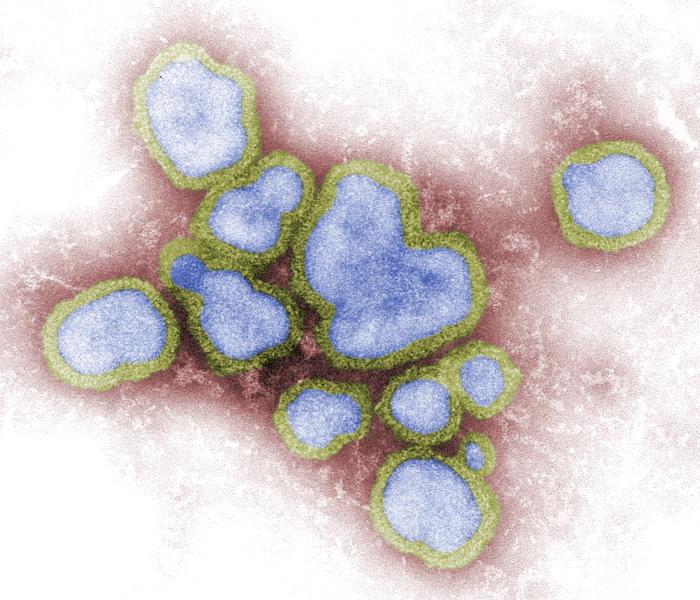
sumber foto: http://phil.cdc.gov/PHIL_Images/11702/11702_lores.jpg
Sampai dengan 20 September 2009, tercatat lebih dari 300.000 kasus influenza H1N1, dengan 3917 kematian di 191 negara yang melapor pada Badan Kesehatan Dunia (WHO).
Semakin banyak negara yang memberhentikan penghitungan kasus individu, terutama sakit yang lebih ringan, jumlah kasus secara signifikan lebih rendah dibanding kasus yang sebenarnya terjadi. Sementara jumlah kasus tidak lagi mencerminkan perkembangan penyakit yang sebenarnya, WHO secara aktif terus memantau perkembangan pandemi melalui konsultasi secara teratur dengan kantor regional WHO dan negara anggota, dan melalui pemantauan dari berbagai sumber data.
Pada wilayah beriklim sedang belahan bumi bagian utara, aktifitas penyakit menyerupai influenza (Influenza Like Illness-ILI) terus meningkat di banyak tempat. Di Amerika Utara, Amerika Serikat melaporkan peningkatan aktifitas berkelanjutan diatas garis angka musiman pada 2-3 minggu terakhir, terutama bagian tenggara dan sekarang juga muncul di bagian atas, tengah dan timur laut. Di Eropa, Asia Tengah dan Asia Barat, serta Inggris Raya melaporkan peningkatan aktifitas ILI khususnya di daerah Irlandia Utara, Skotlandia dan Belanda. Perancis, Irlandia dan Israel melaporkan kasus diatas garis angka flu musiman. Di Jepang, aktivitas influenza terus meningkat diatas ambang epidemi musiman.
Di wilayah tropis Amerika dan Asia, aktifitas influenza cenderung tetap. Sebagian India, Bangladesh dan Kamboja, penularan influenza tetap aktif, sementara negara lain di Asia Tenggara baru-baru ini melaporkan penurunan penularan (Indonesia, Singapura, dan Thailand). Meskipun kebanyakan negara di daerah tropis Amerika tetap melaporkan persebaran aktifitas influenza secara geografi di daerahnya, tidak ada pola tetap kecenderungan pada penyakit pernapasan. Peru dan Meksiko telah melaporkan kecenderungan peningkatan di beberapa wilayah, dimana sebagian besar yang lain melaporkan penurunan atau tidak ada perubahan (khususnya Bolivia, Venezuela dan Brazil).
Di wilayah beriklim sedang belahan bumi bagian selatan, penularan influenza sebagian besar kembali ke garis dasar (Chile, Argentina, dan Selandia Baru) atau terus menurun (Australia dan Afrika Selatan).
Semua virus virus pandemic influenza H1N1 2009 yang telah dianalisis sampai hari ini memiliki sifat antigenic dan genetic serupa dengan virus pandemic influenza H1N1 2009 A/California/7/2009.
Selengkapnya baca di WHO Indonesia: http://www.who.int/csr/don/2009_09_25/en/index.html
Langganan:
Postingan (Atom)